

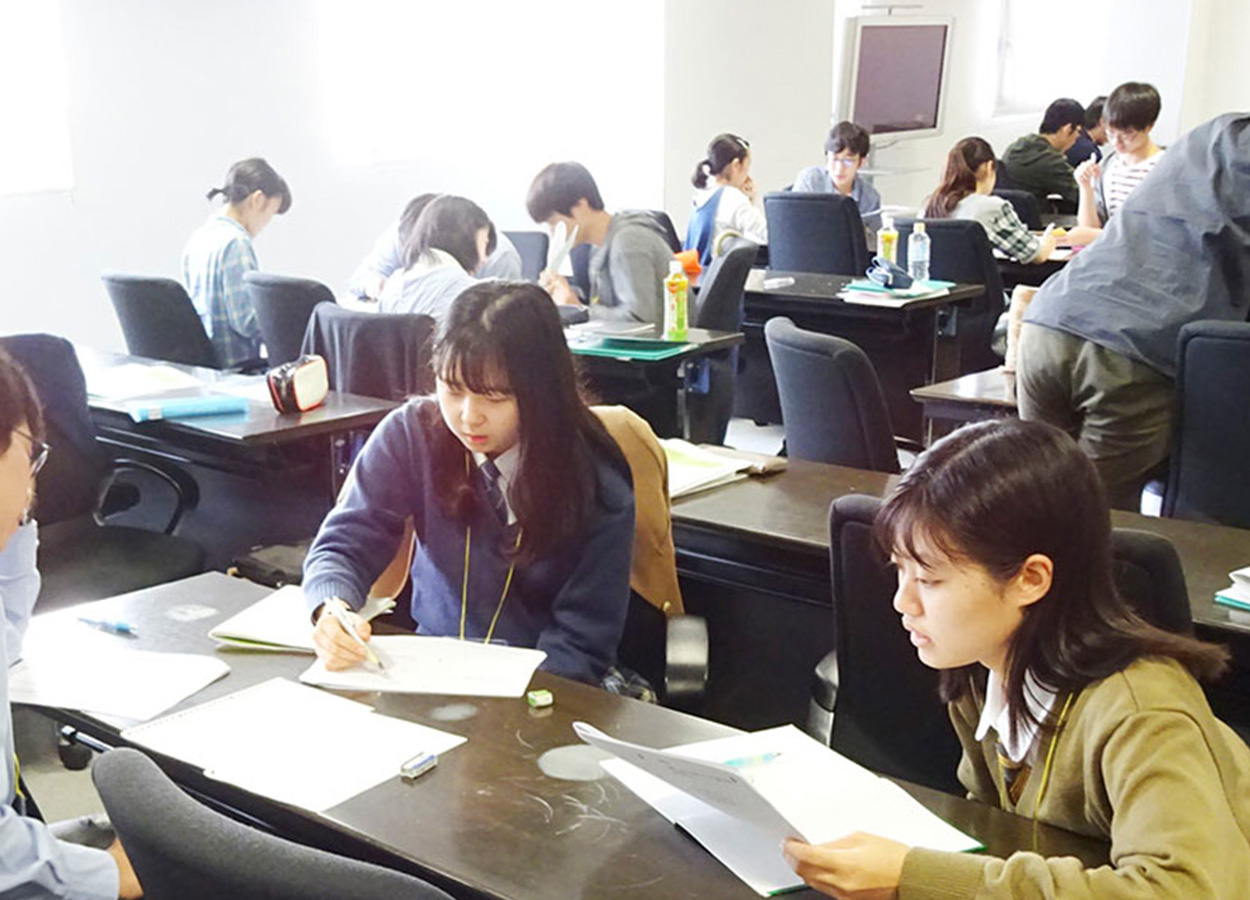
In the second stage, students will begin with foundational learning and acquire knowledge in various cutting-edge fields related to science and engineering. They will then experience the process of integrating knowledge and creating something new through STEAM-style workshops. Outstanding participants in the second stage will advance to the third stage after passing an intermediate selection and a second selection round
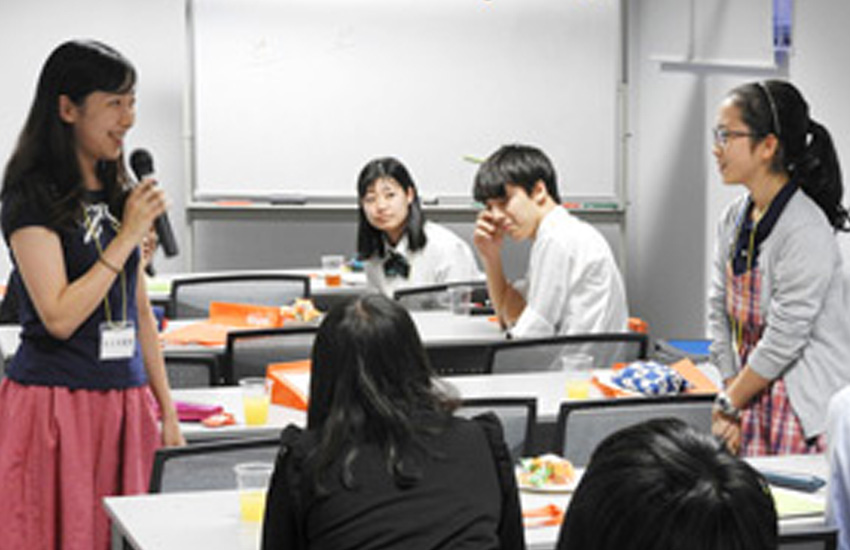
This session will cover the mindset and important points to keep in mind when taking this program, as well as a social gathering for participants to interact with each other
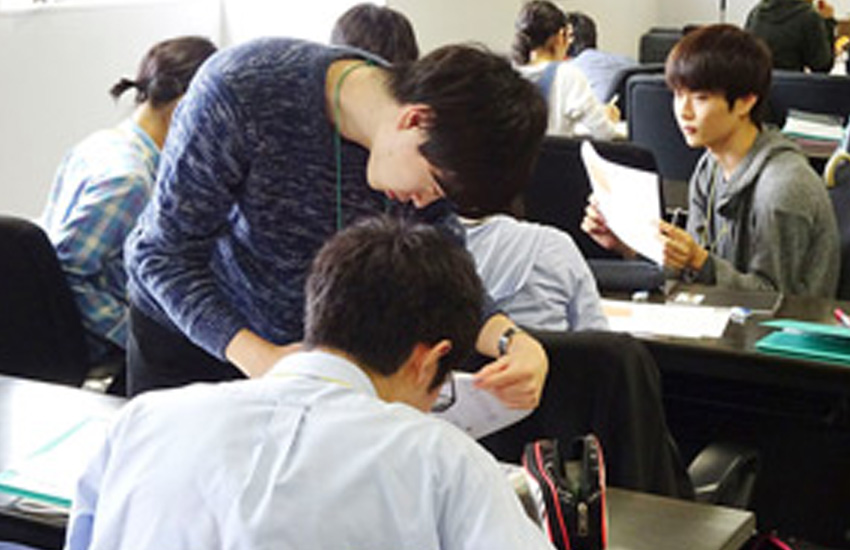
We will study topics ranging from high school level to university level, including statistics, linear algebra, and differential and integral calculus

Researchers from the University of Tokyo will present cutting-edge interdisciplinary research in an omnibus format. Students can choose and attend lectures in areas of interest from several options. Each lecture will be recorded, allowing students to watch any missed lectures later.
◎2023 Study Areas (Reference)
: Intelligent/Mechanical/Information Systems (Spatial Information Science, Deformation Engineering, Origami Engineering),
Bio/Chemistry (Geomolecular Chemistry),
Earth/Environment (Fracture Engineering),
Social Sciences (Science Communication, Disaster Prevention Process Engineering)
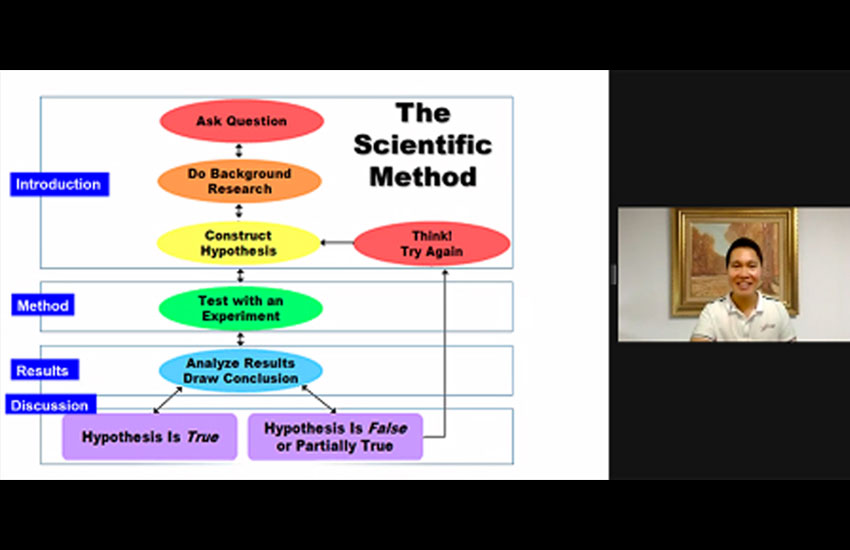
You will learn about the structure and methods of researching research papers in English
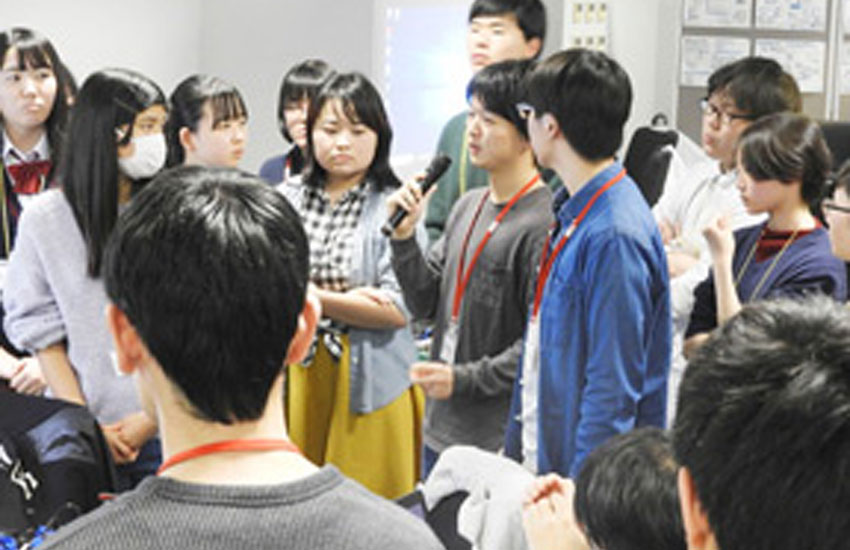
This workshop will explore how to generate innovation from cutting-edge research. Participants
will experience creating new ideas by integrating knowledge gained through STEAM-style learning. Using Design Brain Mapping, developed by the National Institute of Advanced Industrial Science and Technology (AIST), participants will refine their research proposals through individual, group, and overall work, focusing on their research themes, research journey maps, and strategies for realizing their research.
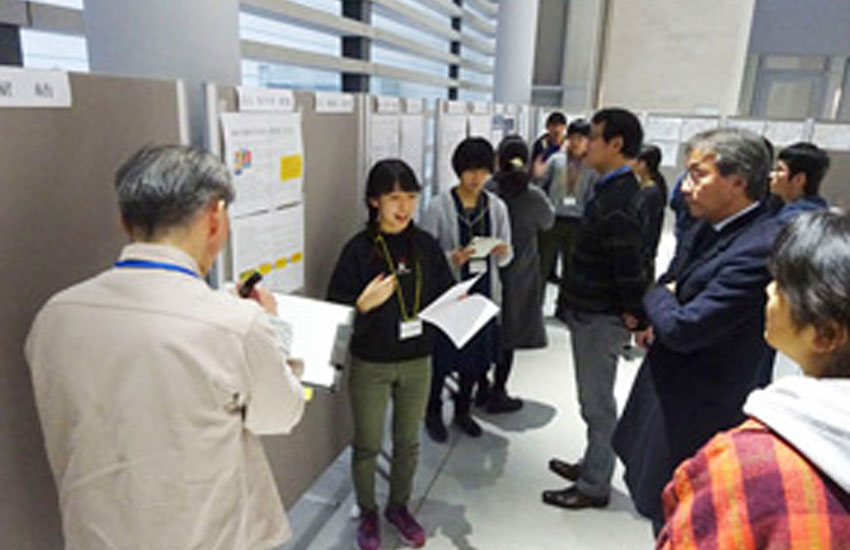
Teams will summarize the ideas they came up with in the STEAM-type value creation workshop and present them to the public
In the second stage, you will summarize what you have learned, and in the third stage, you will develop a research plan for a research topic you wish to pursue and compile it into a research proposal